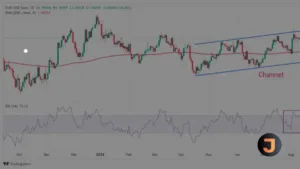
Oil prices fell more than $1 a barrel on Tuesday, driven by scepticism surrounding an OPEC+ decision to boost supply later this year into a global market where demand has already shown signs of weakness. Extending losses from a four-month low reached on Monday, Brent crude futures were down $1.11, or 1.4 percent, at $77.25 a barrel by 11 a.m. CDT (1600 GMT). Brent’s closing price on Monday dipped below $80 for the first time since February 7 after falling more than 3 percent.
At its lowest on Tuesday, Brent traded at $76.76, less than $2 shy of this year’s nadir of $74.79 at the beginning of January. US West Texas Intermediate crude futures (WTI) eased by $1.06, or 1.5 percent, to $71.51. WTI had fallen by 3.6 percent on Monday to settle near a four-month low.
OPEC+ Decisions and Market Reactions
The Organization of the Petroleum Exporting Countries and allies led by Russia, collectively known as OPEC+, agreed on Sunday to extend most of their oil output cuts into 2025 but left room for voluntary cuts from eight members to be unwound gradually, beginning in October.
“My base case is that the market is over-reacting to the OPEC announcement,” said Phil Flynn with Price Futures Group. The planned October unwinding adds jitters about oversupply in an environment where traders are already spooked about high interest rates hampering global economic activity.
A steady flow of dim signals from major economies such as the US, China, and Europe suggests that their appetite for oil may not be as healthy as hoped through the rest of the year. “If we do see a significant drop in oil prices, then you will have to question the soundness of global economy,” Flynn added. “Then it will look like the Federal Reserve has done too much.”
Supply and Demand Dynamics
On top of this, supply is rising from non-OPEC producers such as the US. Meanwhile, on the demand side in the world’s top oil consumer, weekly US oil data will show how much gasoline was consumed around last week’s Memorial Day weekend, marking the start of the US summer driving season.
The American Petroleum Institute will release inventory data on Tuesday afternoon, while the US government will release inventory and product supplied data on Wednesday.