Montana’s Tax System Faces Imbalance
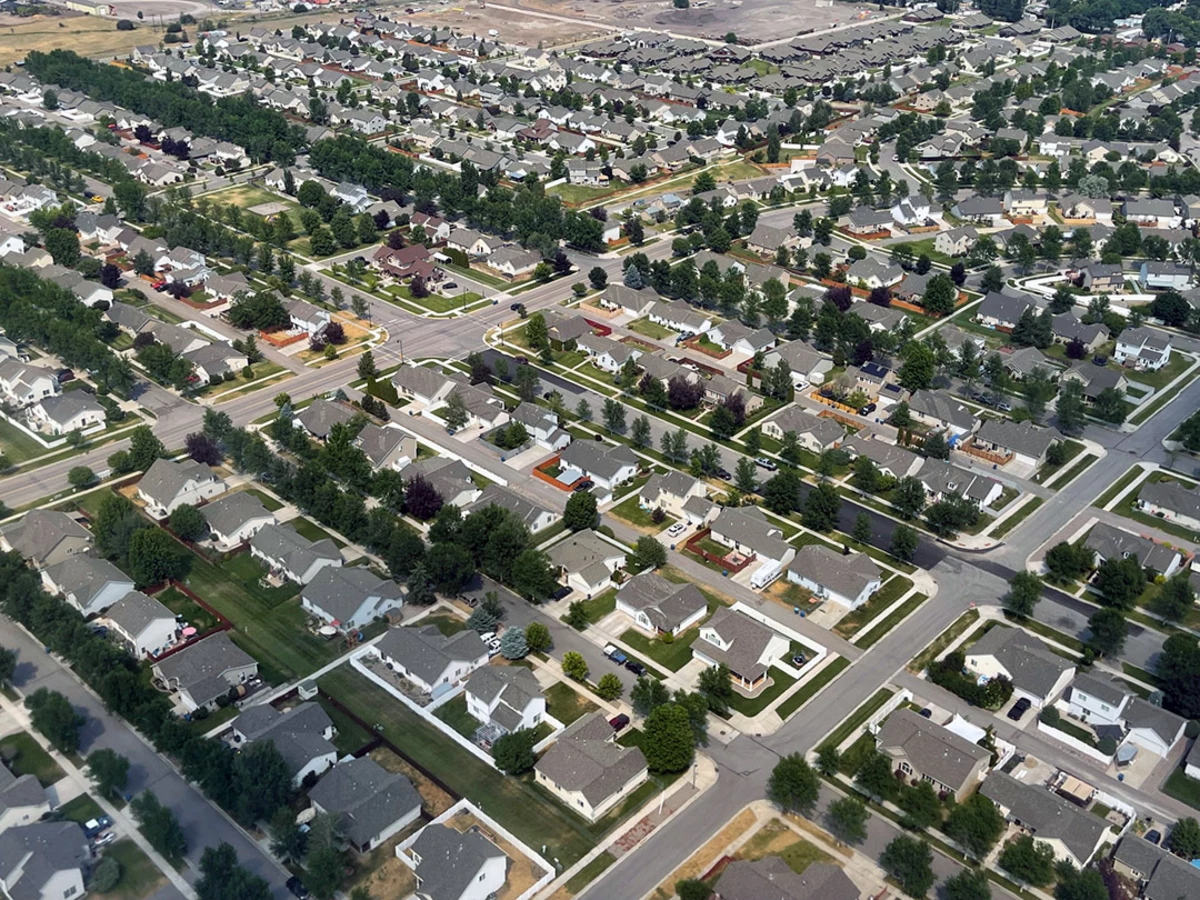
In a recent meeting with the Missoula City Council, taxation expert Dan Bucks shed light on a growing concern within Montana’s tax structure. The state, which once prided itself on a fair appraisal process established in 1972, is now seeing a significant shift in the tax burden from corporate and business entities to homeowners and renters.
Bucks, who is the former director of the Montana Department of Revenue, pointed out that residential property taxes have seen a sharp increase of nearly $270 million, while commercial property taxes only rose by $37 million. This discrepancy is further exacerbated by a $72 million decrease in corporate and mining taxes, alongside a near $4 million reduction in taxes on agriculture and forest land.
The consequence of this shift is not just a heavier financial load on residential property owners but also an additional burden as they effectively cover the tax cuts enjoyed by other property classes. Bucks emphasized the “double effect” of this tax shift, which he believes is not only unfair but potentially unconstitutional.
The Disparity in Property Valuation
According to Bucks, the disparity stems from the valuation methods used for different types of properties. While residential properties are appraised biennially using robust tools and extensive sales data, corporate and business properties are not held to the same standard. This leads to an overvaluation of residential properties and an intentional undervaluation of corporate and business properties.
Bucks criticized the state’s approach to taxing corporate wealth, highlighting that wealth in Montana isn’t solely based on housing. He pointed out that other forms of wealth, such as that from telecommunications companies, are often shielded from taxation through legislative loopholes. This has resulted in an estimated $100 million in lost revenue for the state and an increased tax load on homeowners.
Impact on Schools and the Need for Reform
The current tax system’s flaws extend beyond homeowners to affect public schools. As schools seek additional funding, they often rely on residential property owners to fill the gap. Bucks argued that this not only places an undue burden on homeowners but also disrupts the equalization of school funding across districts.
Using the analogy of a cell phone stripped of its most valuable features, Bucks explained how valuable corporate assets like federal operating licenses and software are often excluded from taxation. This legislative oversight shifts the tax responsibility away from these companies and onto residential property owners.
Bucks called for a reevaluation of the state’s property tax system, advocating for a return to a fair and equitable approach that properly values and equalizes property wealth. He stressed the importance of addressing these issues to ensure that Montana’s tax system operates legally, constitutionally, and with fairness for all its residents.