Political Populism and Religious Exploitation in the Spotlight After Parliament Attack
In a recent surge of political tension, the exploitation of religion and political populism have come under scrutiny. Vulnerable and good-hearted individuals, often gullible and easily misled, find themselves at the center of a whirlwind where promises of grandeur—be it pensions or miracle cures—are dangled before them by savvy politicians.
These tactics were brought to light following a radio show on ERT that sparked a flurry of reactions, with the host considering the backlash a “badge of honor.” The show highlighted how extremists, emboldened by the actions of groups like Golden Dawn, believe they can act with impunity, even within the hallowed halls of Parliament.
A startling example of this was the recent altercation involving independent MP Konstantinos Floros, who physically and verbally attacked MP Vasilis Grammenos of Greek Solution, resulting in a broken nose. This violent act, reminiscent of the criminal elements of Golden Dawn, has raised concerns about the spread of such extremism beyond its original confines.
Christos Bokas, political editor of “Proto Thema,” suggests that this incident, coupled with Spartiates’ exclusion from European elections, could signal a shift in the far-right electoral landscape. Floros’ ties to Kasidiaris and his self-proclaimed patriotic motivations, which led to his arrest and prosecution for a criminal offense, underscore the complex interplay between personal beliefs and political actions.
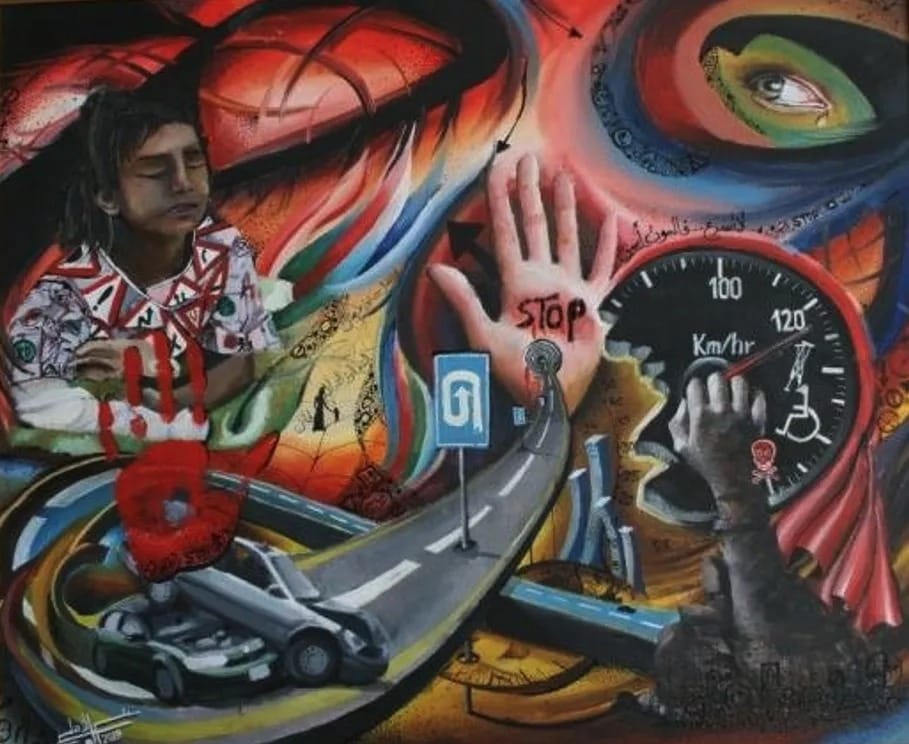
The radio show also featured Alexis Vafeiadis, Minister of Transport, Communications and Works of Cyprus, discussing road safety measures. A notable success has been the implementation of traffic light cameras, which have significantly reduced accidents from traffic light violations. This contrasts with Greece’s reluctance to adopt similar measures, as conversations with a senior official responsible for the Traffic Code revealed only vague responses to the issue of red light violations.
The question remains: do the rights of those killed on the roads by reckless drivers weigh against the “personal data-right”? The debate continues, as society grapples with the sensitive balance between individual freedoms and collective safety.