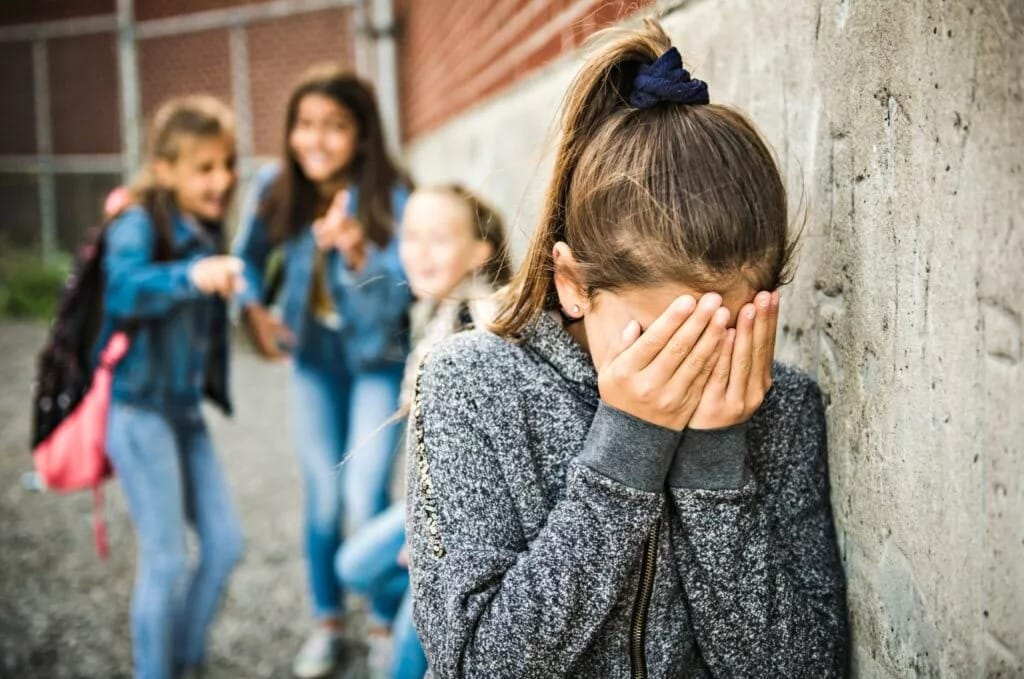
Insights into Bullying Among Cypriot Students
The World Health Organisation’s Health Behaviour in School-aged Children (HBSC) study, conducted in Cyprus by the Ministry of Education, has provided a detailed look into the prevalence of bullying among students. The survey, which included 4,818 participants aged 11, 13, and 15, was carried out over a six-month period from November 2021 to April 2022. It aimed to understand the dynamics of bullying at school, cyberbullying, and physical fighting among Cypriot youth.
When it comes to bullying at school, the study found that 4.3% of Cypriot students admitted to bullying others 2-3 times a month, with boys reporting higher rates than girls. This is slightly below the international average of 6%. The rate of victimisation stood at 7.8% for Cypriot students, with the most affected group being 13-year-olds. This finding is unique as it contrasts with the global trend where bullying typically decreases with age. Additionally, girls from high socio-economic backgrounds in Cyprus reported higher victimisation rates, which is opposite to the international pattern.
Moving to the digital realm, cyberbullying affected 9.5% of Cypriot students who admitted to engaging in such behavior, with a higher incidence among boys and 15-year-olds from lower socio-economic backgrounds. This differs from the global trend where younger children are more affected. As for being on the receiving end, 14.4% of Cypriot students reported experiencing cyberbullying, with no significant gender difference noted in these incidents.
The study also shed light on physical altercations, revealing that 10.6% of Cypriot students were involved in fights three or more times over the past year. Consistent with global data, boys were more likely to be involved in fights than girls. Interestingly, unlike international findings, no correlation was found between involvement in physical fights and socio-economic status within Cyprus.
These findings are crucial for understanding the social challenges faced by students in Cyprus and can inform policies and interventions aimed at reducing bullying and promoting a safer school environment. The data underscores the need for targeted approaches that consider age, gender, and socio-economic factors when addressing the multifaceted issue of bullying among youth.