Russia’s Tactical Nuclear Exercises with Belarus
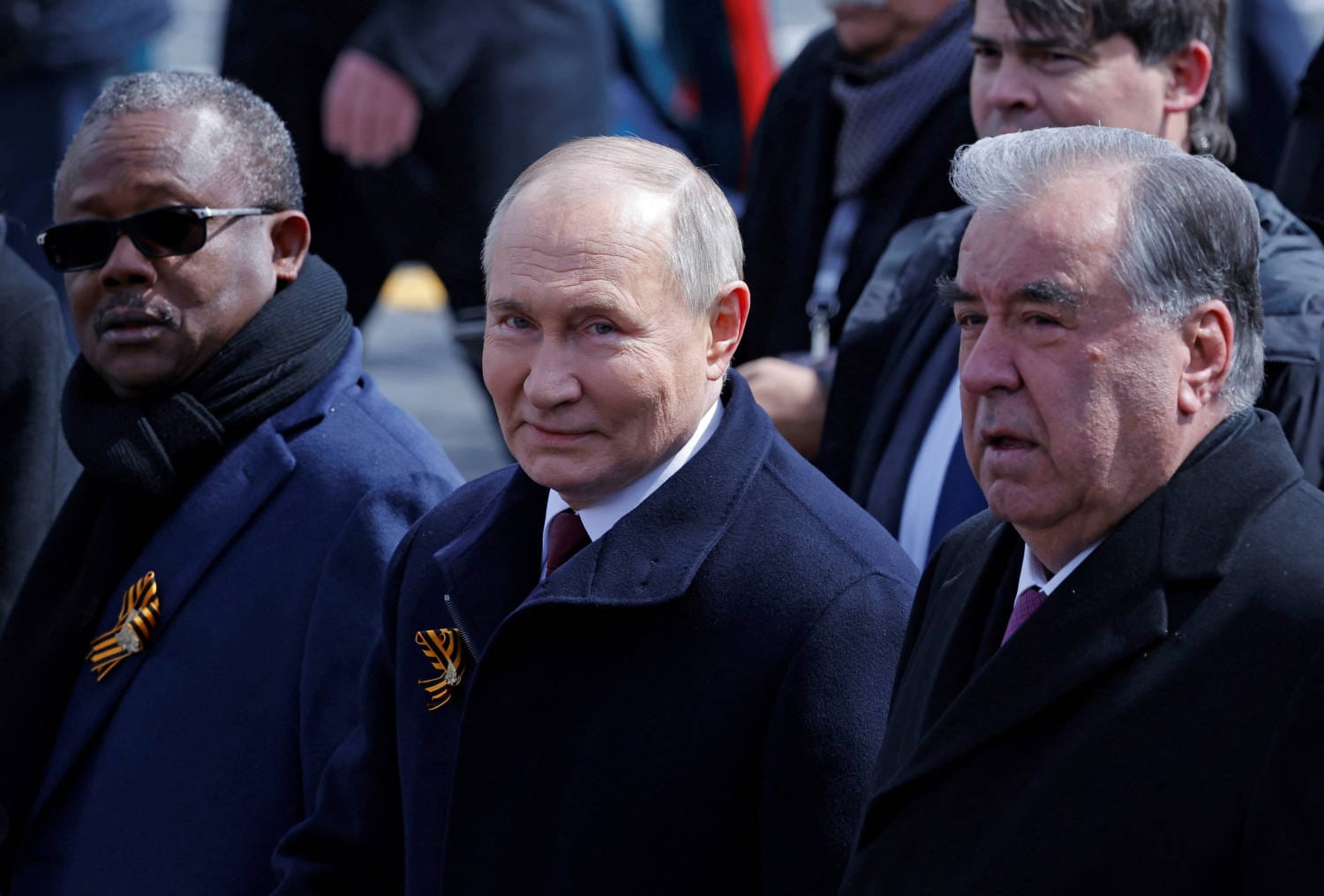
In a recent statement, Russian President Vladimir Putin has emphasized the routine nature of a forthcoming military exercise that will involve the deployment of tactical nuclear weapons in southern Russia and Belarus. The drills, according to Putin, are standard practice and should not be regarded as out of the ordinary.
Earlier this week, Russia announced the nuclear exercise as a response to threats from France, Britain, and the United States. The Russian defence ministry pointed to “provocative statements and threats by certain Western officials against the Russian Federation” as the impetus for the planned drills.
Putin highlighted that such exercises are a regular occurrence and that this particular one will unfold in three stages. In an unprecedented move, Belarusian forces will participate in the second stage of the exercise. This collaboration marks a significant development since it is the first time since the fall of the Soviet Union in 1991 that Russia has relocated tactical nuclear weapons to an ally.
Belarusian President Alexander Lukashenko confirmed that this was the third joint training of its kind, noting that preparations for the exercise were already underway following coordination between the two nations’ military staffs.
The exercise comes at a time when global nuclear arsenals are under scrutiny. Russia and the United States possess the majority of the world’s nuclear warheads, with China, France, and Britain also maintaining significant stockpiles. Despite Russia’s transparency regarding its strategic nuclear forces, there remains uncertainty among arms control experts about the specifics of the tactical nuclear weapons supplied to Belarus.
While the Pentagon has acknowledged Moscow’s announcement of the upcoming drills, it also stated that there had been no observed changes in Russia’s strategic nuclear force posture. The Pentagon’s response comes amidst what it describes as “irresponsible rhetoric” from Russian officials concerning the deployment of non-strategic nuclear weapons.
The international community continues to watch closely as these exercises develop, mindful of the historical gravity of nuclear weapon deployment and the importance of maintaining strategic stability.