Reassessing Corporate Tax Rates Amid Record Profits and Price Gouging
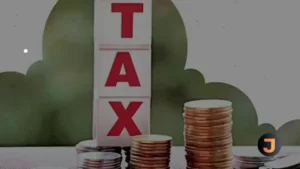
The imminent expiration of key provisions from President Trump’s 2017 tax legislation presents a pivotal moment for economic recalibration. As the corporate tax rate cut from 35 percent to 21 percent nears its end, discussions intensify around the impact of these tax breaks on both corporate profits and the broader economy.
Since the enactment of the tax cuts, there has been a significant loss in tax revenue, which some argue should be reclaimed. However, a more pressing concern for many American families is the issue of corporate price gouging. In the wake of the global pandemic, as consumers faced inflationary pressures, major corporations reportedly exploited the situation to drive up prices, leading to record-high profit margins.
Indeed, the Groundwork Collaborative has highlighted that over half of the inflation experienced in recent quarters can be attributed to such corporate profits. This surge in earnings is not merely a reflection of economic recovery but is also seen as a consequence of strategic price increases that exceed rising costs.
Companies like Procter & Gamble have come under scrutiny for raising prices on essential goods while simultaneously enjoying reduced tax liabilities and engaging in shareholder enrichment through dividends and stock buybacks. The disparity between corporate windfalls and the financial strain on consumers has sparked calls for a reevaluation of the tax code.
Senator Elizabeth Warren (D-MA) has criticized the current tax structure for effectively subsidizing corporate price gouging. Additionally, concerns about collusion within industries, such as the oil sector, have been raised, suggesting that lower tax rates may incentivize anti-competitive behavior that further contributes to inflation.
As Congress contemplates adjustments to the corporate tax rate in 2025, there is growing support for policies that would mitigate excessive profiteering and ensure a more equitable distribution of economic burdens. The aim is not only to restore fairness to the tax code but also to disincentivize practices that disadvantage consumers during periods of economic instability.
The debate continues as to how best to balance corporate taxation with economic growth. However, there is a consensus that the status quo, which has allowed for significant corporate gains at the expense of American families, is in need of reform. As such, the upcoming changes to the tax code are seen as an opportunity to address these disparities and provide relief to those who have been most affected by price gouging and inflation.