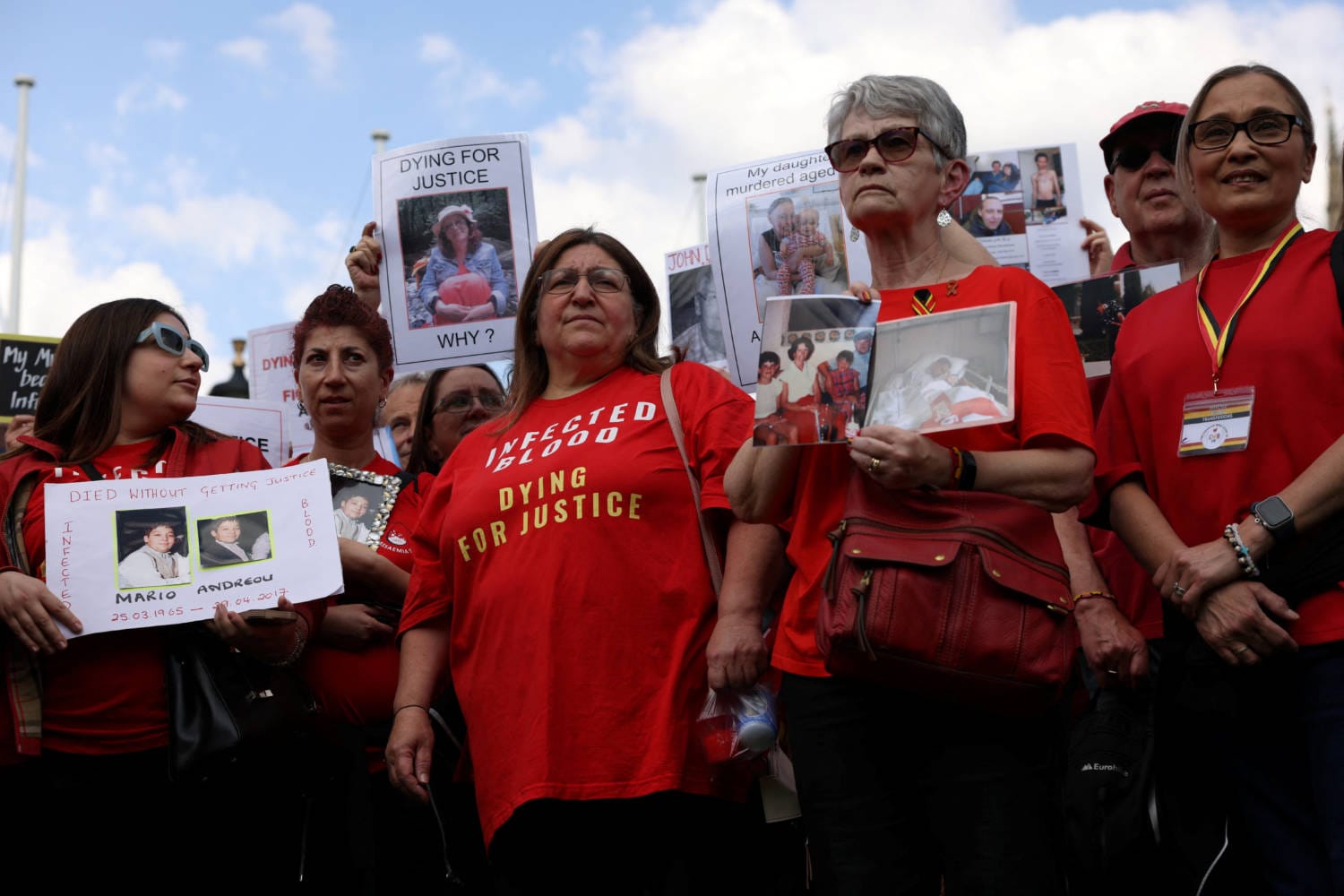
Infected Blood Scandal: A Legacy of Betrayal
The revelations of a public inquiry into the infected blood scandal in Britain have exposed a harrowing narrative of negligence and cover-up at the highest levels of the medical establishment and government. Inquiry chair Brian Langstaff highlighted that
The state-funded National Health Service provided blood and blood products that not only devastated the health of recipients but also shattered families and dreams. The government’s efforts to obscure the truth were driven by a desire to protect its image and finances, Langstaff remarked, describing the concealment as “more subtle, more pervasive and more chilling in its implications” than any deliberate conspiracy.
Prime Minister Rishi Sunak is poised to issue an apology on behalf of the state, acknowledging the profound failures that led to this tragedy. The inquiry, which spanned nearly six years, has been a quest for justice for the victims and their families. Langstaff’s report underscored the sheer horror and astonishment at the scale of the disaster.
Some of the most vulnerable, including children, were given blood products sourced from high-risk groups like U.S. prisoners. These products were used long after the risks were known, leading to infections with life-threatening viruses. Moreover, certain victims found themselves unwitting participants in medical trials, deprived of their right to informed consent.
Langstaff’s findings are unequivocal: “This disaster was not an accident.” He pointed to a systemic failure where patient safety was not prioritized by doctors, blood services, or successive governments. He emphasized that those affected deserve proper compensation.
The scandal has not only shaken Britain but has also seen similar stories unfold in the United States, France, Canada, and other nations. In response to its past failings, the British government has agreed to make interim payments to those impacted by this tragedy.
Clive Smith of the Haemophilia Society reflected on the erosion of trust in the medical community that this scandal has caused. The inquiry’s findings have challenged the public’s faith in those entrusted with their care.
Despite the British inquiry’s lack of prosecutorial power, it stands as a stark reminder of past mistakes. Comparatively, France saw legal repercussions for key figures involved in its own infected blood crisis. As Britain grapples with these revelations, the call for accountability and redress echoes louder than ever.