Discrepancies in International Cooperation on Terror Investigations
In a recent development that has raised eyebrows in international legal circles, the Ministry of Justice of Cyprus has stated to philenews that they have not received any formal request from Russia for assistance. This statement comes in stark contrast to reports from the Russian state news agency TASS, which indicated that
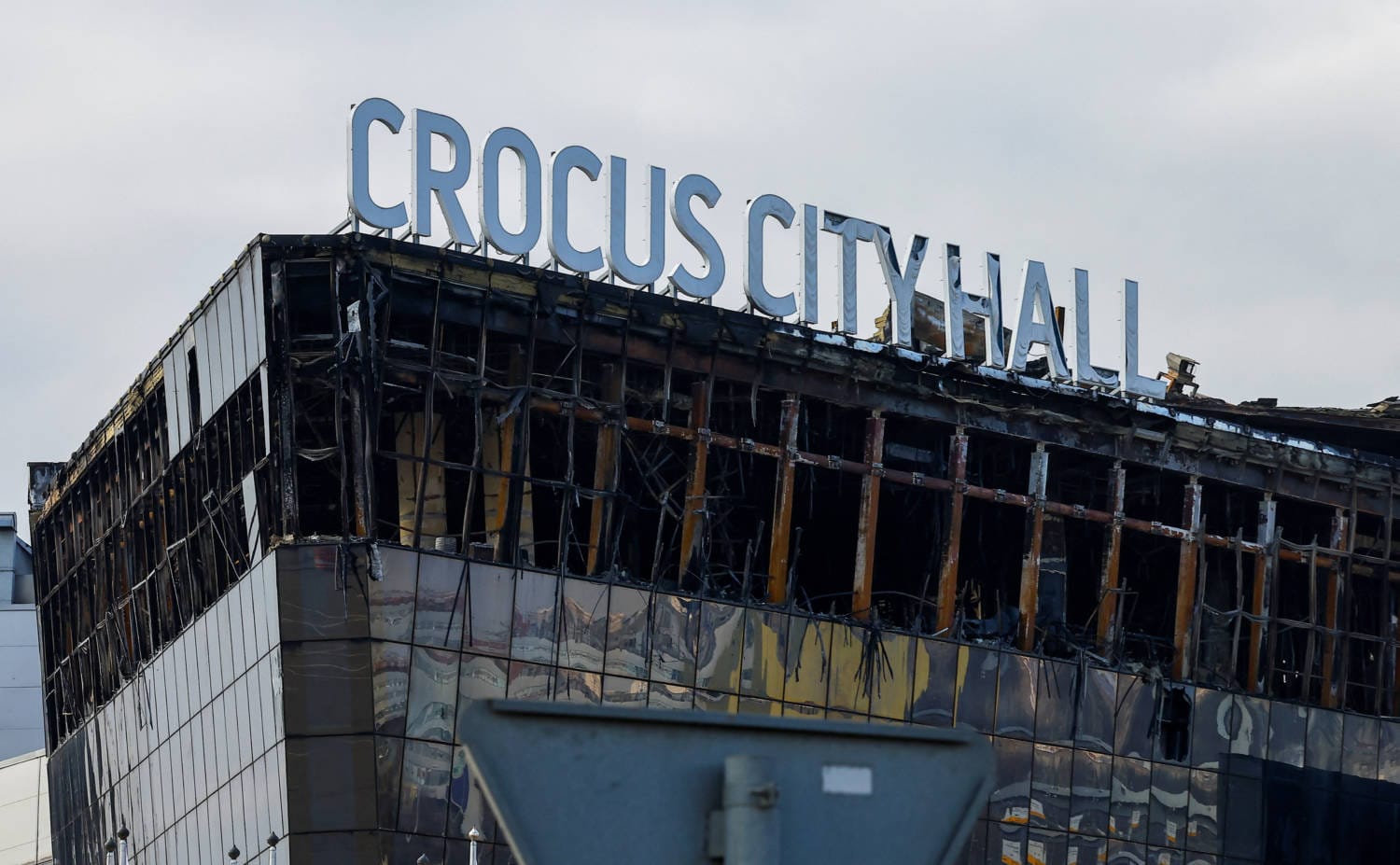
The Russian appeals for cooperation are said to be rooted in the need to uphold international justice standards while investigating the Nord Stream pipeline explosions and other incidents deemed as terrorism within Russia. These requests follow calls from Russian political figures such as Andrei Krasov and Aleksandr Dugin, the latter having lost his daughter Darya in a bombing, to look into the possibility of foreign support and orchestration of these terror acts.
Russia’s assertions of holding “direct evidence” that points to the United States and Ukraine colluding with ISIS and Ukrainian intelligence services in executing attacks on Russian soil have added tension to an already strained relationship with the West. The cited evidence allegedly implicates these countries in a series of violent acts, prompting Russia to invoke international anti-terrorism treaties and demand accountability from the accused nations.
Amidst the ongoing conflict with Ukraine, both Russia and Western countries have traded accusations over who is responsible for the destruction of the Nord Stream pipelines. With no party admitting culpability and no group claiming responsibility, the situation has been described by the Kremlin as “close to absurd”. The lack of clarity and mutual blame has only served to complicate the path towards a transparent investigation.
As it stands, the absence of a formal request to Cyprus, as noted by their Ministry of Justice, casts doubt on the communication and sincerity behind Russia’s call for international cooperation. The unfolding scenario underscores the complexities and challenges that arise when geopolitical tensions intersect with efforts to combat terrorism on a global scale.